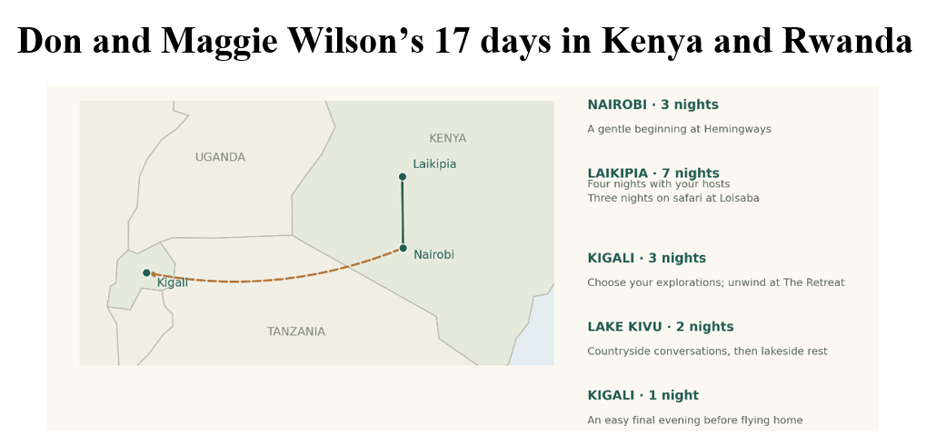
Introduction
Greetings from the Bart family, Jane, Naomi, Umu and me! Helping to plan your trip to Africa has been a wonderful family experience. Thank you for letting us be a small part of your lives.
Don, you began by telling us that this trip was a chance to give Maggie something back after years of working long hours and too much time apart. Maggie, you asked for an unhurried holiday: opportunities to learn, certainly, but also time simply to enjoy being together. After much discussion, we settled on three themes for your trip: working with an NGO and perhaps identifying a child to support, which we all thought would be the highlight; birding, traditional wildlife tours, and studying nature; and comparing two countries with different development trajectories during the past 50 years. The trip was to include a mixture of luxurious travel and getting close to the land and people. We gave you three options with costs (including our commission and fees) and the estimated LRR for each. You chose Kenya and Rwanda.
We’d like to suggest a few books. For Kenya, we think you’d enjoy Michela Wrong’s It’s Our Turn to Eat, a gripping account of a whistleblower’s crusade to expose government corruption. For Rwanda, we recommend Rwanda, Inc and A thousand hills both are a little old now but they give excellent, and somewhat divergent, accounts of the controversial methods used by Paul Kagame to develop Rwanda.
Here’s what we’ve come up with. We hope you enjoy the trip as much as we enjoyed working on it for you.
Days 1–3 Nairobi. Deluxe Suite at Hemingways in Karen
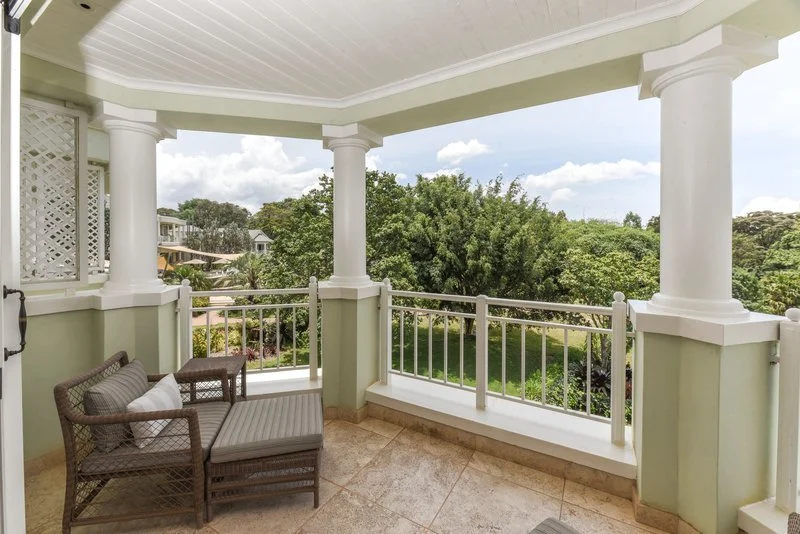
Karen is a quiet suburb southwest of central Nairobi, named for Karen Blixen, author of Out of Africa, whose family owned a coffee plantation here. The Karen Blixen Museum, a short drive from the hotel, depicts the life and work of the writer. The hotel is named in honor of Ernest Hamingway who visited Kenya and East Africa to hunt big game in 1933 and 1953 and wrote about his experiences in The Snows of Kilimanjaro, and The Short Happy Life of Francis Macomber both of which we recommend. The Hemingway is quiet and fashionable with terraces, patios, and gardens. It will let you settle into Nairobi without the busy traffic and noise of the downtown area. The hotel can arrange for a car and driver for either half day or full day excursions.
Nairobi has many activities that you might enjoy and that would make it easy to meet others with similar interests. For example, Nature Kenya has Wednesday morning bird walks, the day after you arrive. They meet at 8:30 at the National Museum and last about 4 hours. You’ll need to buy a temporary membership in the Museum but we weren’t able to learn the cost. The walk would be an excellent opportunity to learn some local birds and to meet others. Your driver should be available.
As Rotarians, you will be welcome at the Rotary Club of Karen–Nairobi. They meet at 6:30 pm the day after you arrive. They are expecting you and will invite you to say a few words about why you’ve come to Kenya. I think they’ll be especially interested in your forthcoming work at the Education Center. They may also help you understand the development of Kenya during the past few decades and plan your activities for the coming few days.
We’ve given you the contact information for Kamau Njoroge and Wanjiku Mwangi who run a small architecture business. They enjoy walking, books, and conversation, and are curious about your lives as well. They are expecting you to contact them in the next few weeks.
Here are some other activities you might consider.
Nairobi National Museum. We recommend a long, leisurely morning here with a mid-morning break for coffee followed by lunch either at the informal Vogue Cafe in the museum or at the nearby more upscale Lord Delamere Terrace. Fora advisors give both places high marks though they provide very different experiences. At the museum, you might focus on the History of Kenya gallery which covers precolonial society, colonial rule, and independent Kenya, including the railway and land alienation. Given your interests in history and birds, two other galleries may be of interest: Cradle of Humankind and Birds of East Africa. The bird collection is extensive; you might enjoy focussing on birds you’ll encounter at Laikipia. Don, there is probably still time for us to arrange an interview for you with museum staff if you’d like.
Nairobi Gallery, especially the Murumbi collection. Given your interests, you might enjoy the textiles and jewellery collection and the ceramics by Kenyan artist, Magdalene Odundo whose life and achievements are interesting to read about.
Karura Forest: A walk beneath the trees, perhaps with a bird guide, or simply enjoy a quiet morning.
Giraffe Centre: An enjoyable introduction to conservation; lunch available nearby.
Days 4–7 · Community Learning Centre in Laikipia
We’ve told you about several highly regarded NGOs working in rural Kenya, and you chose this one. The Director, Ms. Njeri Kamau, is thrilled that you are coming and is seriously committed to working with you on the projects that we have all identified: improving their business skills and investigating how they could add an income-generating component to their work. They are optimistic about our suggestion that they consider establishing a sewing center, modeled on the NGO in Sierra Leone that we’ve told you about. They are also delighted that you are bringing them three new laptops and that Maggie will help them improve their computer skills.
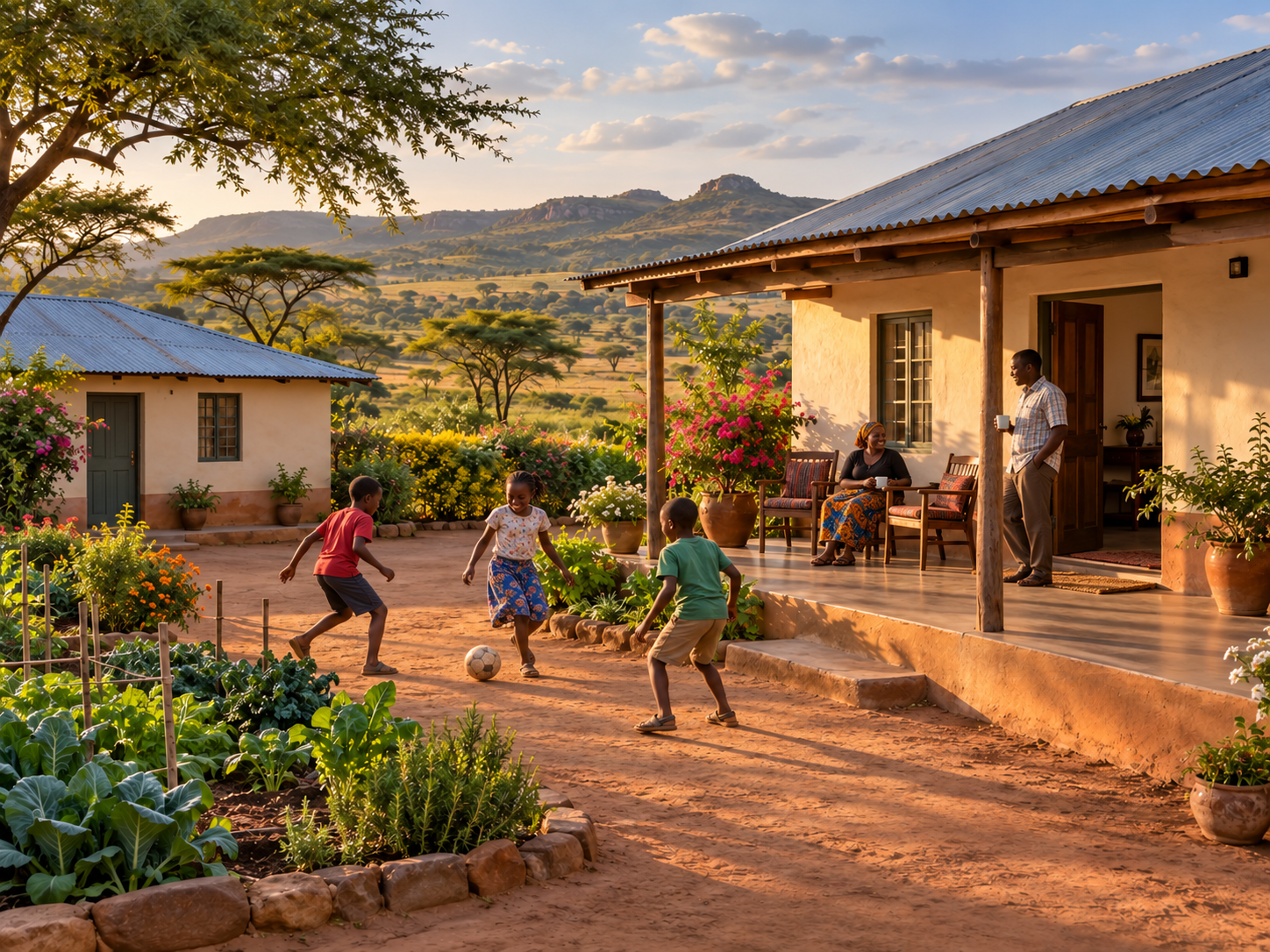
Ganza Mugabo and Keza Mukamana and their three children will be your hosts. Ganza repairs farm equipment; Keza grows vegetables and helps coordinate a local savings group. The house is clean and comfortable though definitely basic as you could tell from the pictures we’ve previously shared with you. You’ll have a private bedroom, a shared bathroom, and will eat the local food (as you have requested) with the family. You are welcome to attend community activities including religious services with the family. We have written you previously on managing expectations by residents there. Ms. Kamau will advise you on an appropriate gratuity at the end of your stay. We anticipate that it will be between $100 and $200 depending on the services they have provided.
Regarding the possibility that you would support a child, especially a gifted one because you think you could be of most help to such a person, there is an amazing young girl there named, Wambui Njuguna. She is thirteen and already shows extraordinary promise especially in art. At present, she has no prospects for education beyond 8th grade. She will assist you throughout your stay but Ms. Kamau has told no one that you might consider helping her. It will be entirely your decision.
Days 8–10 · Elewana Loisaba Tented Camp
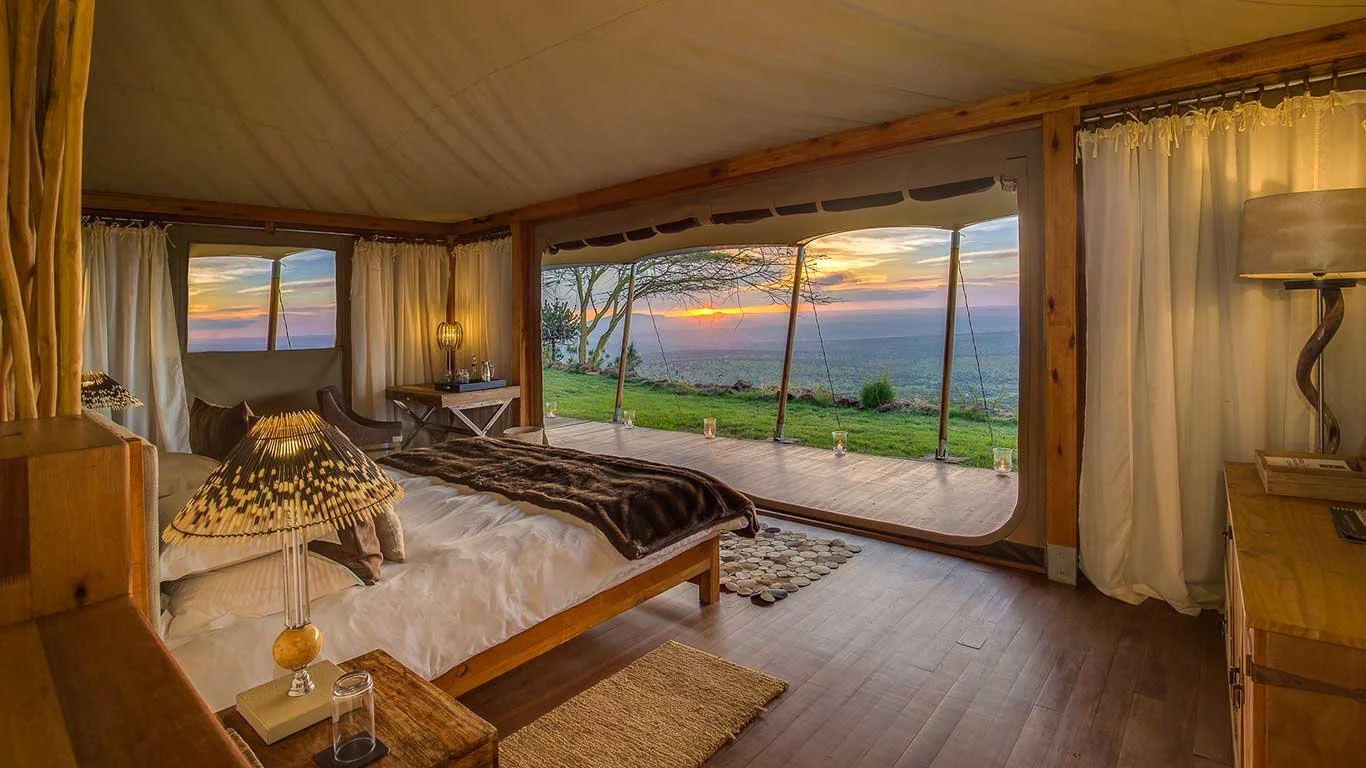
Your luxurious “tent” (right), well away from your closest neighbour, is in one of Kenya’s favorite wildlife areas. You may hear big animals at night but it is completely safe. Your certified guide, Maina Kariuki, is an expert birder and naturalist. We urge you to talk with him about the natural environment and human communities of the area. His thoughtful and perceptive views may impress you. We suggest that you spend an hour or so getting to know Maina and then plan your three days together. We suspect you’ll choose a mix of activities including classic wildlife viewing from your vehicle, birding for Don, and perhaps one or two a less focussed excursions for Maggie (a second guide will accompany you). In three days, you could come to know the area well.
Days 11–13 · Kigali. Superior King Suite at The Retreat
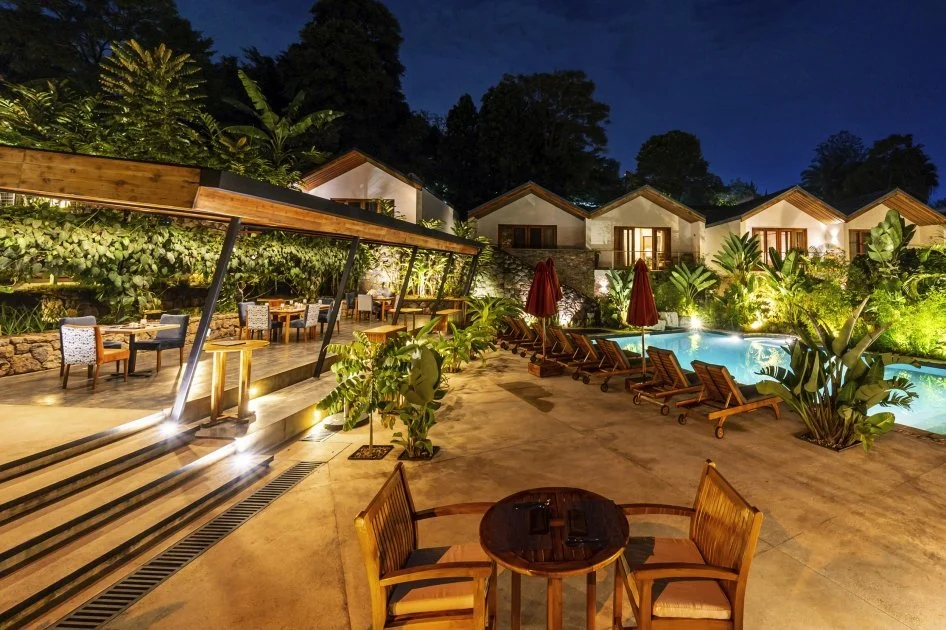
Day 11 is principally a travel day, connecting through Nairobi to Kigali. Your evening is free. Your five-star hotel, The Retreat, is famous for its elegance, courteous service, and fine dining at the Fusion Restaurant. Your reservation includes complementary massages.
We have introduced you by email to Shema Niyonzima, a government economist, and his wife, Isaro Nyiraneza, who runs a small design business. They are looking forward to spending an evening with you. We leave the details to you.
Kigali has 6 active Rotary clubs. If you are interested in attending one of them, we recommend the Virunga Club. It is Rwanda’s first English-speaking Rotary club. It meets Wednesdays, 7–8 p.m., at Highlands Suites Hotel. You might be interested to learn more about their critical assistance in establishing the Kigali Public Library. I’m confident they’d be pleased to meet you and suspect that attending their meeting would lead to interesting conversations. Just let me know if I should reach out to them.
Here are some other activities we think would enjoy:
Kigali Genocide Memorial: An important, emotionally demanding visit; we recommend some quiet time afterwards for reflection.
Kandt House Museum: Description of modern Rwanda before, during, and after colonial rule.
Neighborhoods and everyday life. A relaxing half day walk with your guide, Isaro Nyiraneza, through a variety of neighborhoods in Kigali with ample time to talk about life in different parts of the city. Isaro is well-educated, articulate and thoughtful and speaks impeccable English.
Kimironko Market: Explore food, trade, and local enterprise, with time to ask questions. Vendors will appreciate your interest.
Nyandungu Eco-Park: A quiet outing combining nature, possible birding, and an example of urban environmental restoration.
Days 14–15 · Lake Kivu. Suite in the Serena Hotel
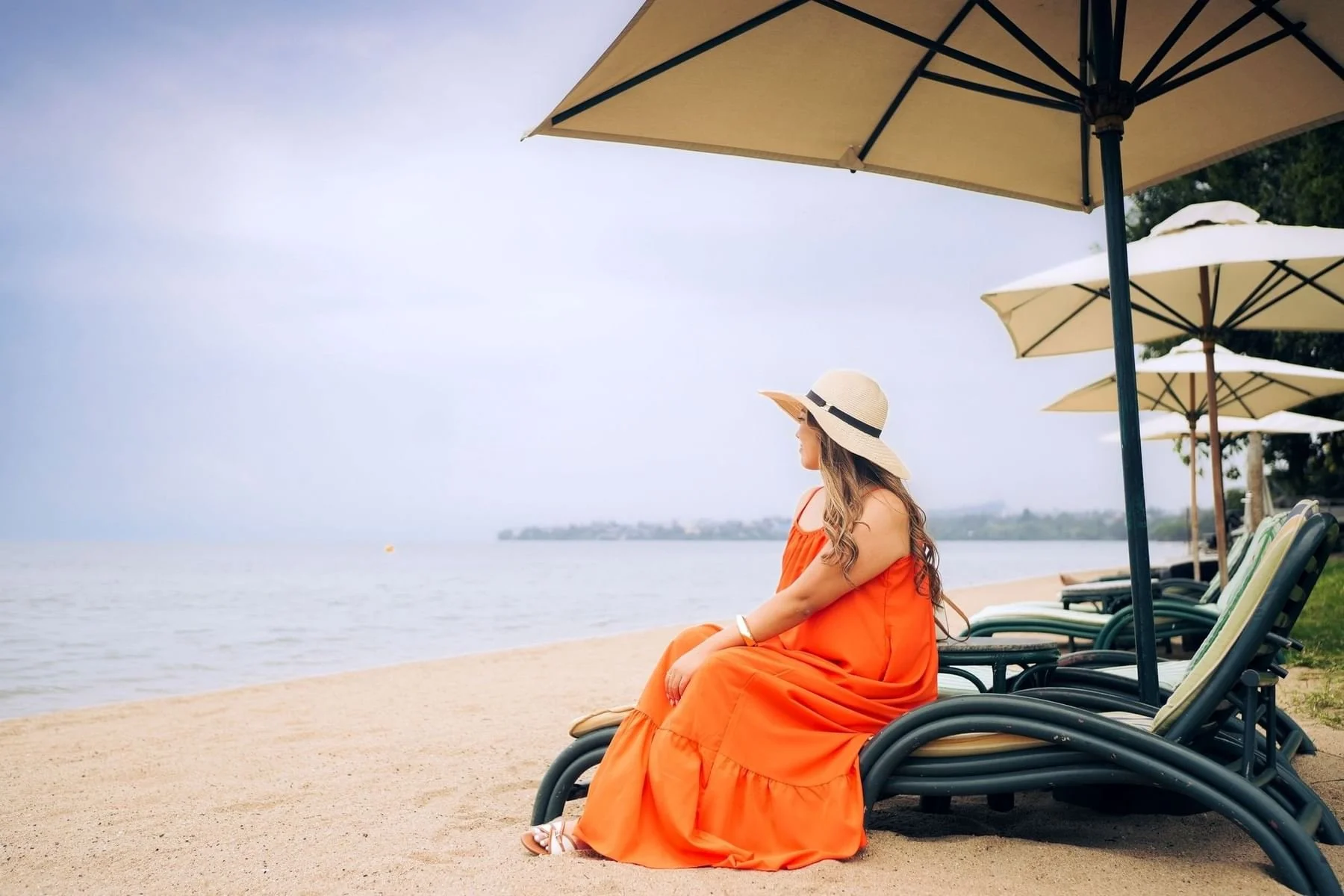
Sirena is a comfortable 66-room resort hotel with palm-lined gardens, a private beach, a swimming pool, and both jet skis and kayaks available for rent. Guided excursions are also available. Meals are served in the Kiyaga Restaurant. The Ziwani Café serves evening drinks.
These two days are designed so that you can conduct a detailed personal investigation of why Rwanda has had such difficulty reducing poverty in rural areas. Your guide, Hirwa Habimana, grew up in the area and studied agricultural economics at Oxford University. He comes highly recommended. We have spoken to him twice on video calls. He is intelligent, articulate, and courteous. We think spending time with him and with the numerous farmers and others he will introduce you to will give you the best possible opportunity to grapple with the perplexing question, “Why has the Kagame government been so much less successful in reducing poverty in rural areas than in Kigali and what does this say about their approach?” You won’t solve this puzzle in two days, but if you choose to pursue the inquiry diligently, you’ll come back with a far better understanding of the issues, and of rural life in Rwanda, than you could get solely from books.
Days 16–17 · Kigali. Final night
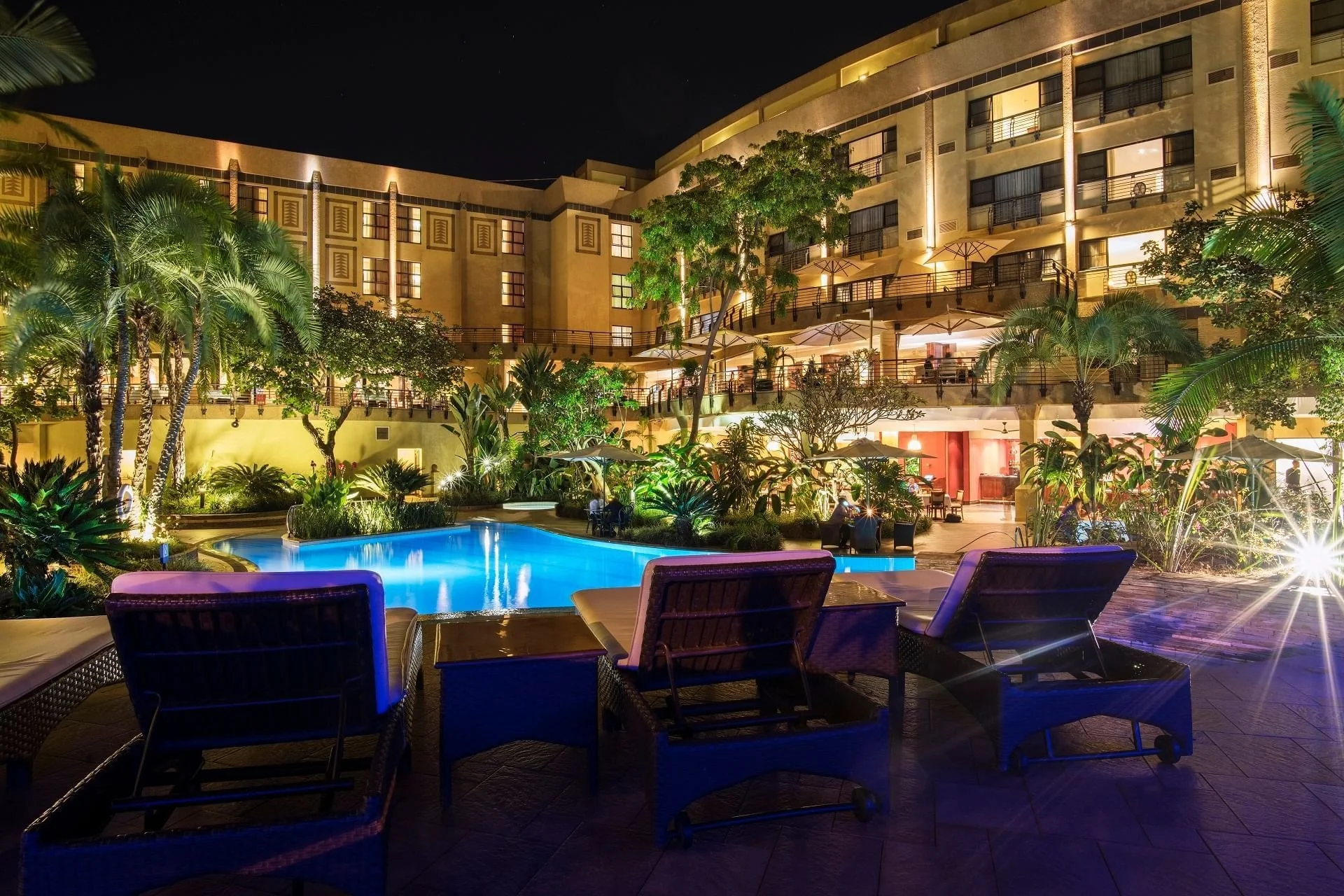
Return to Kigali the day before your flight home, avoiding a substantial road journey on the day you fly.
Your final evening is free. You might revisit a favorite restaurant, compare impressions, or begin deciding which relationships you would like to continue.
We hope you return from your trip with enduring memories of your time together, of helping a poor village and maybe one of its residents, of encountering wildlife at close range in beautiful places, and of obtaining real understanding of the differences between two African countries on very different development trajectories.
(Note: Above, we have emphasized the planning that would personalize the trip and ensure that it allowed the couple to have the experiences they wanted. The complete description would also include all the logistic details.)